Psychological Tests II TAT : Common Themes in Pictures
In SSB (Services Selection Board) Interviews, Psychologist conduct Thematic Appreciation Test (TAT) with an objective to arrive at candidate’s true personality traits, by uncovering candidate’s unconscious motives, social drives or needs, thought patterns, and how they perceive and react to different situations and arrive at candidates’ suitability for selection as an officer in the armed forces. In general, most of the pictures will have a village theme to stretch your wings of imagination.
In SSB (Services Selection Board) Interviews, Psychologist conduct Thematic Appreciation Test (TAT) with an objective to arrive at candidate’s true personality traits, by uncovering candidate’s unconscious motives, social drives or needs, thought patterns, and how they perceive and react to different situations and arrive at candidates’ suitability for selection as an officer in the armed forces.
The Thematic Apperception Test (TAT) holds significant importance in psychological evaluations during the SSB (Services Selection Board) Interviews.
What is Thematic Apperception Test (TAT) in SSB?
TAT is a projective psychological assessment tool, and the second test in the psychological battery of tests conducted by the Psychologist. It is meticulously designed to dwell into candidate's unconscious mind, unveiling their personality traits leading to assess a person’s thought process, observation skills, attitude, and emotional responses and motivational patterns through the medium of storytelling.
Psychologist Objective. TAT is designed by the Psychologist to examine the candidate true personality traits, and decide the candidate suitability for selection as an officer.
Psychologist Aim. To tap on a candidate’s unconscious mind to reveal repressed aspects of personality, motives and needs for achievement, power and intimacy and problem-solving abilities.
Ambiguous Pictures. Outline or hazy and vague pictures are shown purposefully to stimulate the thought processes of the candidate in various directions – Flights of Imagination. By seeing these ppictures, candidate gets stimulus by itself and various options comes to mind. Out of the possible choices or options which comes to the candidate’s mind, he selects one option and make story around it. Out of the various options, candidate selects the option based on his personal experiences with similar kind of stimulus recalled from the past. The set of the past actions are the best judge of predictability of the candidate’s action in future and this behavior is being tested and evaluated by the psychologist.
This interpretive approach allows for an in-depth understanding of the candidate's personality, offering insights into their emotional control, self-perception, and social attitudes.
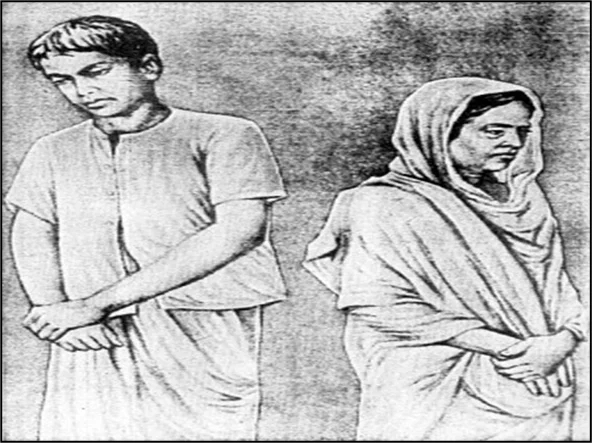
Common Themes in TAT Pictures. In the Thematic Apperception Test (TAT), the pictures shown are purposefully ambiguous, black and white images designed to prompt different response in form of stories from the candidate in form of stories. These stories reveal a person's unconscious motives, conflicts, and desires through their interpretations of these images. These pictures typically depict individuals in various settings and situations, potentially involving men, women, and children. Here's a more detailed breakdown:
· People in various Settings. The pictures often show individuals in different contexts, such as a lonely person on a bridge, a group of people at a social gathering, or individuals in a work environment.
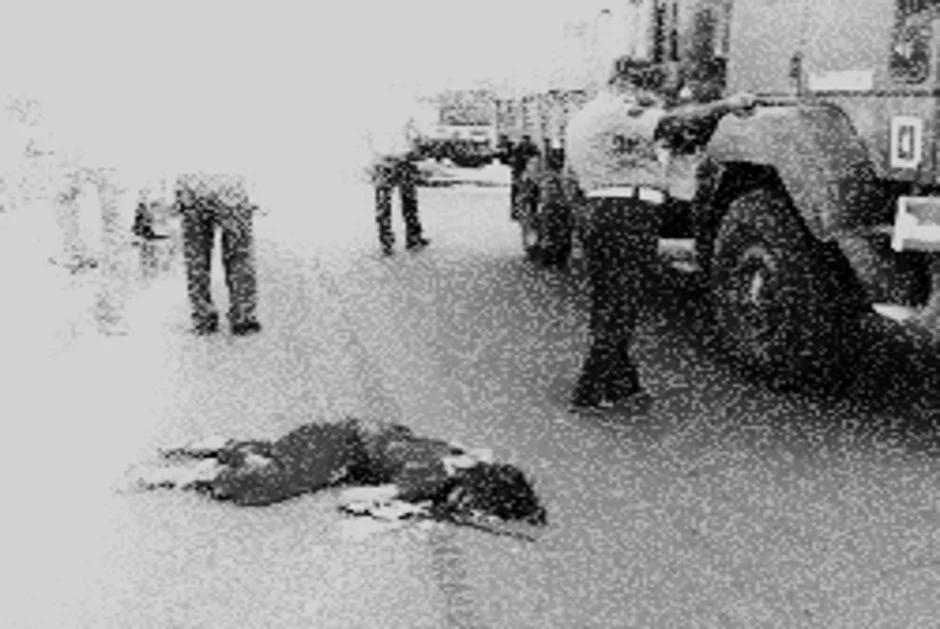
· Emotional and Situational Contexts. Some pictures may depict emotional states like sadness or stress, while others might portray situations like accidents or dynamic activities like working on a farm.
· Relationship Dynamics. The pictures can also explore relationships, such as between a boy and an elderly person, or between a boy and a girl.
· Ambiguous and Unclear. The pictures are intentionally designed to be somewhat hazy or unclear, requiring the test-taker to use their imagination and fill in the details to create a story.
· Dynamic and Static. Some images might show action or movement (dynamic), while others might depict a more static scene.
· Positive and Negative Situations. The pictures can evoke a range of emotions and situations, including both positive and negative experiences, which can help reveal the test-taker's perspective on life.
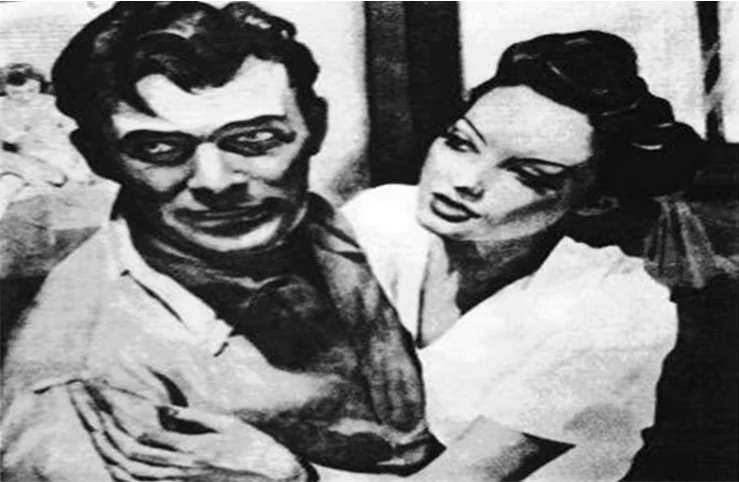
· Specific Scenarios. Examples include a picture of a boy looking at a violin, or a man holding his hat with his face down, while a woman next to him stares out the window.
Important. Overall, the TAT pictures are designed to be open-ended, encouraging the test-taker to project their own thoughts, feelings, and experiences onto the images, providing insights into their personality and psychological state.
While the specific content of TAT images is not standardized, common themes include:
Social Situations. Pictures might depict social scenarios, such as gatherings, meetings, or interactions between individuals. These scenarios are used to assess a candidate’s understanding of interpersonal relationships and social dynamics.
Challenging or Ambiguous Scenes. Some images present challenging or ambiguous situations where characters may be facing dilemmas, conflicts, or uncertainties. These scenarios help assess adaptability, problem-solving skills, and the candidate’s response to ambiguity.
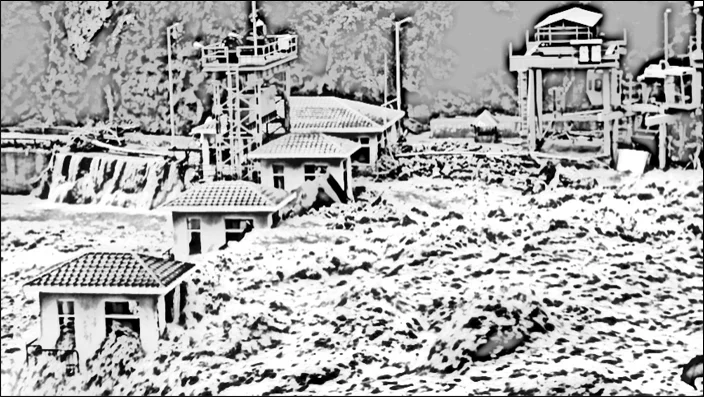
Outdoor Settings. Pictures often include outdoor settings, such as landscapes, natural scenes, or activities in open spaces. These images may be used to assess the candidate’s connection with nature, preferences, and reactions to environmental elements.
Professional or Work Contexts. Some images portray professional or work-related settings, including offices, workplaces, or individuals engaged in tasks. These scenarios help assess leadership qualities, decision-making, and the candidate’s approach to responsibility.
Family or Personal Situations. Pictures may represent family or personal situations, including celebrations, family gatherings, or individuals in personal settings. These scenarios provide insights into the candidate’s values, emotional responses, and interpersonal skills.
Action or Dynamic Scenes. Dynamic or action-oriented images may be included to assess how candidates respond to situations that require quick decision-making and a proactive approach. These scenarios evaluate leadership potential and the ability to handle dynamic environments.
Conclusion. Psychologist analyse the stories to understand the candidate's thought processes, emotional responses, and how they handle challenges and conflicts. TAT remains a keystone of psychological evaluations during SSB interviews, revealing critical insights into a candidate's personality, motivations, and emotional intelligence.
It’s important to note that the images used in TAT are intentionally ambiguous, and there is a degree of subjectivity in the interpretation. The goal is not to have a “correct” or “incorrect” response but to understand how candidates’ approach and construct narratives based on the presented stimuli. The diverse range of images ensures that the TAT can capture various aspects of a candidate’s personality, including their cognitive abilities, emotional intelligence, and leadership potential.