Indian Navy II How to Become a MARCOS Marine Commando?
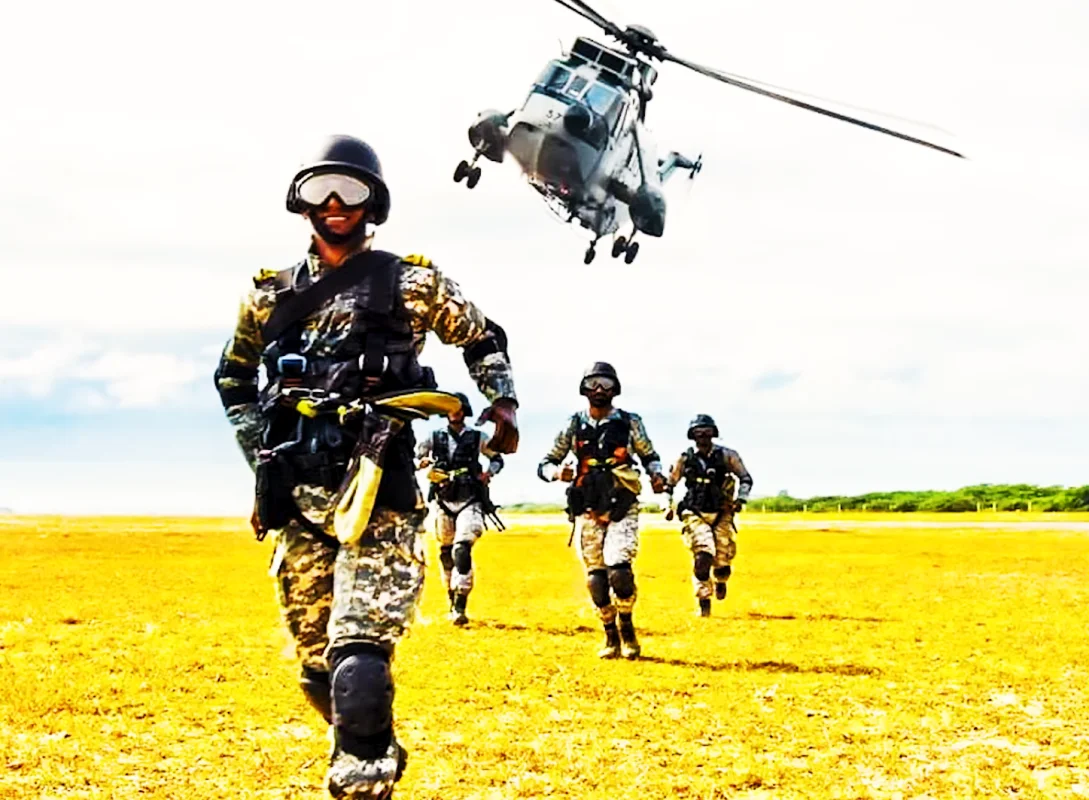
THE FEW AND FEARLESS. MARCOS are known for their elite capabilities, dedicated to executing high-risk operations in some of the most challenging environments.
Indian Navy:
How to Become a MARCOS Marine Commando?
THE FEW AND FEARLESS. MARCOS are known for their elite capabilities, dedicated to executing high-risk operations in some of the most challenging environments.
Home / News & Blogs / Indian Navy / Motivation
Ms Aditi Joshi, Editorial Team, First Step Defence Academy January 28, 2025
MARCOS : The Elite forces of Indian Navy
Historical Context. The MARCOS unit was officially raised in 1987, and its formation was a response to the evolving threats to national security that demanded a specialized skill set for maritime operations. MARCOS has its roots deeply etched in the ideals of bravery and specialized tactical warfare. Their operations often extend beyond the conventional roles of the Navy to encompass counter-terrorism, anti-piracy interventions, and hostage rescue missions. The unit has since earned a reputation for its operational success and resilience, reflected in their rigorous selection process and intense training regimen.
The Eligibility Criteria. The volunteers must meet stringent eligibility criteria, ensuring that only the most qualified individuals enter the selection process.
Nationality & Gender. Aspirants must be Indian citizens. Traditionally, the MARCOS unit has been male-dominated, although evolving military policies may open opportunities for females in the future.
Age Limits. Aspirant should be between 18 and 30 years old. However, candidates applying as Indian Navy officers should not exceed 20 years.
Educational Qualifications. A minimum of higher secondary education (10+2) is required.
Service Requirements. Serving Sailors and Officers in the Indian Navy are eligible. This prerequisite ensures that aspirants possess foundational naval skills before advancing to special operations training.
The Selection Process. Multilayered process and operates in distinct phases, each designed to assess various facets of an aspirant’s skill set, endurance, and psychological stability.
Phase 1: Pre-Selection. The journey begins with three arduous days of initial testing, designed to evaluate stamina, physical fitness, and mental resilience. Only about 20% of applicants successfully progress beyond this initial filter.
· Physical Endurance Tests. Aspirants must exhibit extraordinary cardiovascular strength and stamina.
· Aptitude Tests. These tests measure intelligence and decision-making capabilities under duress.
Phase 2: Selection. This five-week period is arguably the most gruelling part of the entire selection process. It is modelled after the U.S. Navy SEAL’s "Hell Week". This phase is instrumental in identifying individuals who can withstand psychological and physical duress, weeding out those who lack the necessary resilience.
- Endurance Runs. Morning runs of 20 kilometres and night marches while carrying heavy loads.
- Stress Tests. Sleep deprivation and extreme physical tasks to simulate battlefield conditions.
- Live Training. Live ammunition, incorporating live fire drills that teach tactical decision-making and marksmanship under pressure.
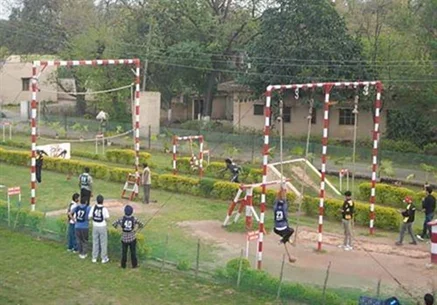
- Obstacle Courses. Infamous 'death crawl' through mud, immediately followed by an obstacle course requiring speed and accuracy.
Phase 3: Initial Qualification Training. Those who survive the selection phase move to the Initial Qualification Training, which encompasses:
- Basic Special Forces Training. Covers multiple disciplines including weapons handling, close quarter battle (CQB), hostage rescue operations, and physical combat training.
- Diverse Courses. A 10-week basic special forces training at INS Abhimanyu, a 3-week basic parachute course, and a basic combat divers' course solidify the skills learned in the previous phase.
Phase 4: Advanced Training and Probation. After initial qualification, candidates enter the advanced training phase. This stage covers specialized operations such as:
- Combat Free-fall Training. Involves parachuting from various altitudes under various conditions.
- Clandestine Operations. Training for operations that require stealth and precision, such as anti-piracy missions and surveillance.
- Fieldcraft Techniques. Tactical movement in varied terrains including deserts and mountain warfare expands the versatility of the candidates.
This extensive period lasts around two years, during which the dropout rate exceeds 80%. The arduous training ensures that only a select few can claim the honor of being a MARCOS Commando.
Training Content and Techniques. Training content is exhaustive, enabling candidates to adapt to a myriad of operational environments. Key components include:
- Diving Techniques. Both open and closed-circuit diving skills tailored for underwater demolitions, reconnaissance, and escape techniques.
- Explosive Ordnance Disposal. Skills for safely handling and deactivating explosives.
- Counter-Terrorism Operations. Strategies and tactics for neutralizing threats posed by terrorists.
- Amphibious Warfare. Skills focusing on operations that combine land and sea strategies.
Conclusion. The journey to becoming a MARCOS Commando is not for the faint-hearted. It requires dedication, resilience, and a deep commitment to the nation. The blend of physical prowess and mental fortitude will always be the bedrock upon which this esteemed unit is built. For those considering this path, one need to cultivate the mindset of a warrior who is ready to serve and protect at the highest levels.
The Few and Fearless
Jai Hind