Personality Development II Concept of Right Time and Right Dress
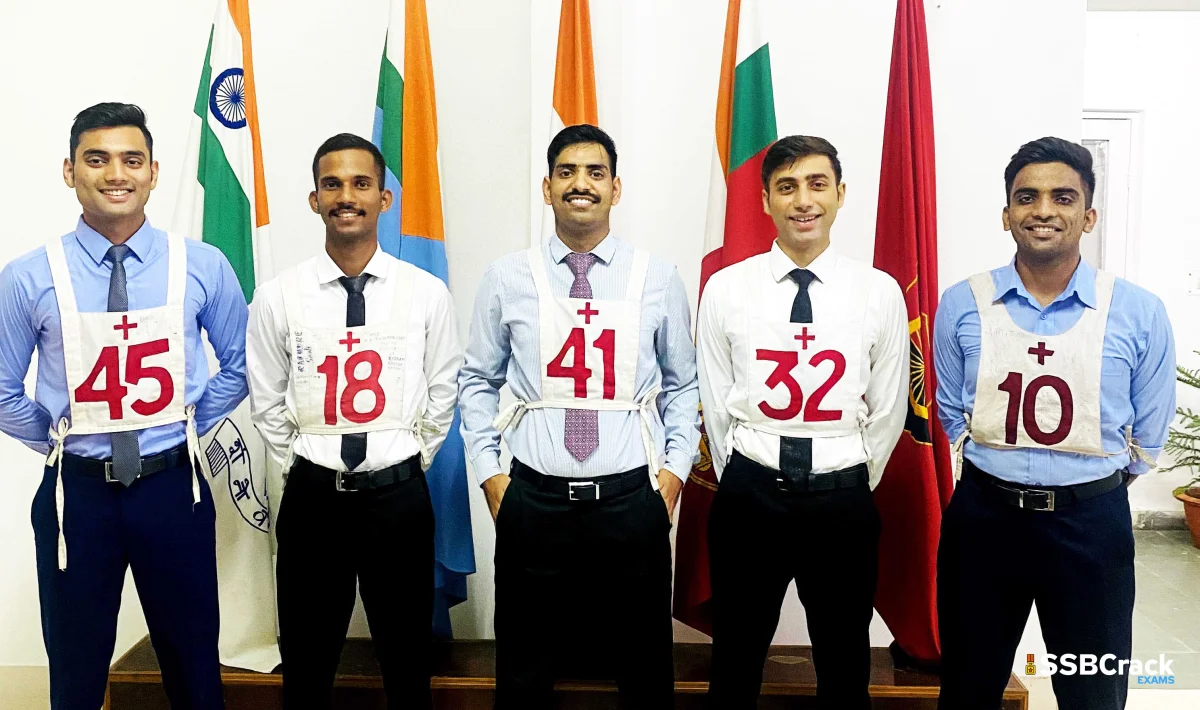
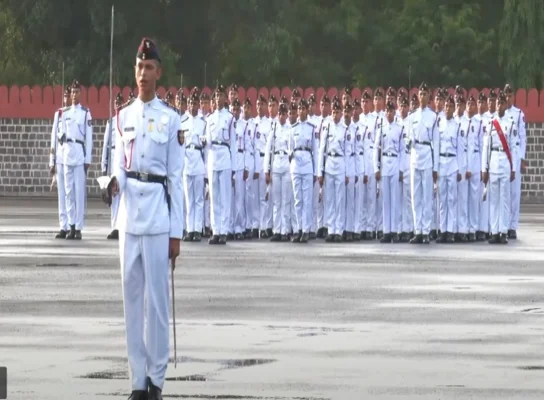
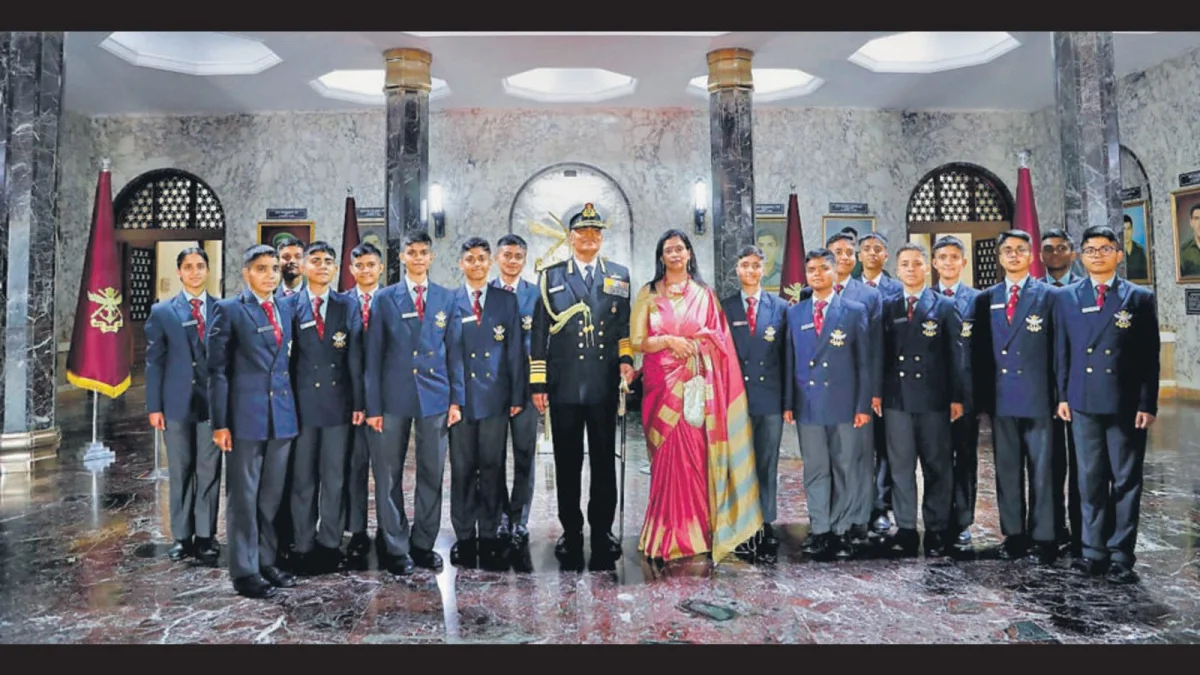
In Indian Armed Forces, the concept of "Right Time and Right Dress" refers to choosing clothing appropriate for the specific occasion, time of day, and social context, ensuring one's appearance is both suitable and impactful.
Concept of Right Time and Right Dress
The "right time and right dress" concept refers to choosing clothing appropriate for the specific occasion, time of day, and social context, ensuring one's appearance is both suitable and impactful. It's about presenting oneself in a way that aligns with expectations and enhances one's experience in a given situation, whether it's a formal event, a casual outing, or a professional setting.
· Occasion. Different events call for different attire. A wedding requires formal wear, while a casual brunch allows for more relaxed clothing.
· Time of Day. Morning meetings might warrant business casual, while evening events may call for more formal attire.
· Social Setting. Consider the norms of the environment. A religious institution might have specific dress requirements, while a casual gathering with friends has fewer restrictions.
Elements of the Right Dress
· Fit. Clothes should be well-fitted and comfortable, not too tight or too loose.
· Appropriateness. Avoid overly revealing or distracting clothing. Opt for modest and appropriate styles.
· Grooming. Pay attention to details like clean nails, neat hair, and polished shoes.
· Personal Style. While adhering to the context, incorporate your personal style to feel confident and authentic.
· Color and Fabric. Choose colors and fabrics that are suitable for the occasion and climate.
The Impact of the Right Dress
· Confidence and Self-Esteem. When you feel good about what you're wearing, it boosts your confidence and self-esteem.
· Positive First Impressions. The right attire can create a positive first impression, whether in a professional or social setting.
· Respect and Professionalism. Dressing appropriately demonstrates respect for the occasion, the people involved, and yourself.
· Non-Verbal Communication. Clothing choices communicate messages about your personality, attitude, and professionalism.
· Opportunity. In some cases, dressing well can open doors to new opportunities.
Dress Codes
- Semi Formal. Suits, Blazers, Shirt and Tie, and Trousers, with leather shoes.
- Social Functions. Khakis, blouses, button-down shirts, and skirts are appropriate.
- Casual. Jeans, Tshirts, and comfortable clothing are suitable for casual settings.
Conclusion. In the dynamic world of personal and professional interactions, first impressions are often shaped long before a word is spoken. One of the most impactful non-verbal elements of a first impression is attire. “Dressing right for every occasion” is more than a social convention; it is a strategic tool that can significantly influence perceptions, boost confidence, and open doors to success.