Personal interview II How to Answer the Introductory Questions
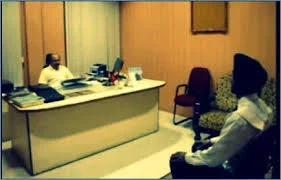
In a SSB interview, the introductory questions are opportunities to make a positive first impression on the interviewing officers. It is more than simply stating facts; it's a chance to highlight personality, achievements, and motivations for joining the Indian Armed Forces. In this article, we will dive deep into how you can prepare your introduction for the SSB interview, the logic behind each question the Interviewing officer (IO) asks experts tips to navigate the complex map of Interview.
The personal interview is a very important part of SSB, wherein the Interviewing officer (IO) uses various techniques of assessing the suitability of a candidate for becoming an officer in the Indian Armed Forces. To begin with, the Interviewing officer ask general questions so as to make sure the candidate is at ease and the initial nervousness and anxiety of attending the interview is greatly reduced and the IO is able to assess the true personality of a candidate. However, it is important to note that the Interviewing Officer (IO) generally makes a rough assessment of a candidate in the first ten minutes of an interview. Therefore, the age-old adage, “First Impression is the Best Impression” hold true and an aspiring candidate should use it as a stepping stone to navigate the complex landscape of interview at large.
In this article, we will dive deep into how you can prepare your introduction for the SSB interview, the logic behind each question the Interviewing officer (IO) asks experts tips to navigate the complex map of Interview.
Good Beginning is Half Done
In a Services Selection Board (SSB) interview, the introductory questions are opportunities to make a positive first impression on the interviewing officers. It is more than simply stating facts; it's a chance to highlight personality, achievements, and motivations for joining the Indian Armed Forces.
The introduction also helps the IO assess and gauge your Self Awareness - How well you know yourself, communication skills and Power of Expression - How clearly you can express your ideas and Decision-Making Abilities - How comfortable you are under pressure.
Logic Behind the IO’s Introductory Questions. In the introductory phase, the IO typically asks open ended questions related to your background, education, hobbies, and family. Each question serves a different purpose in evaluating your suitability in the Armed Forces.
“Tell me about yourself”
IO would like to evaluate you on how well you can summarize your life and achievements. It gives them insight into what aspects of your life you prioritize and how organized your thoughts are. Mention your academic Performance and be proud of your academic achievements, even if they aren’t directly related to the military. Your ability to excel in education reflects your discipline and focus, which are important qualities in the armed forces.
The IO assesses how your academic journey has shaped your personality and whether you have demonstrated consistency and dedication.
“Tell me about your family background”
The IO asks about your family to understand your upbringing, cultural characteristics, value system and beliefs. IO would like to know the influence your family has had on your personality and decision-making abilities. The IO wants to understand your upbringing and how family values shape your decisions.
“What are your hobbies and Interests?”
This question helps the IO assess your personality beyond academics or work. Genuine hobbies indicate a well-rounded individual who has interests outside of routine responsibilities. Hobbies reflect how you spend your free time and how rounded your personality is.
“Why do you want to join the Armed Forces?”
The IO gauges your motivation, passion, and commitment through this question. It is a test of your genuine interest in the armed forces and whether you understand the challenges and rewards associated with this career. When asked why you want to join the armed forces, provide a clear and compelling reason.
Avoid coached and pre meditated clichés like “I want to serve my country.” Instead, explain personal motivations, experiences, or inspirations that have led you to choose this path.
“What are your strengths and weaknesses?”
The IO tests your self-awareness and honesty. A balanced response to this question shows emotional intelligence and maturity.
Key Aspects
- Be Genuine and Sincere. Avoid sounding rehearsed or artificial. Let your personality shine through. The interviewers are looking for genuine candidates.
- Be Confident and Positive. Maintain eye contact and speak clearly and audibly. Avoid filler words and nervous gestures like fidgeting.
- Clear and Concise. Aim for a brief and impactful introduction, not a lengthy monologue. Should not be more than 2 to 3 minutes.
- Past Experiences - Armed forces. Show how your skills and qualities are relevant to the military.
- Practice the introduction. Rehearse the introduction multiple times to ensure a natural flow and smooth delivery. Practice in front of a mirror or with friends. Practice in front of a mirror or record yourself to ensure you appear calm and composed.
Experts Tips
Be Prepared for Follow-Up Questions. The Interviewing Officer (IO) uses your introduction to frame follow-up questions that will give insight into your personality, decision-making skills, and leadership potential.
The interviewer may ask for more details about your education, family background, hobbies, or motivation as expressed in your introduction.
Your introduction will likely lead to follow-up questions on your hobbies, academics, or family. Be prepared to elaborate.
For example, if you mention stamp collection as your hobby, be ready for questions like “History of Stamps, which is the oldest stamp, Costliest stamp, Stamp with armed forces Insignias, first day covers or Stamps in your Collection, which is your favourite stamp and Why etc.
The IO uses these follow-ups to gauge whether you are authentic and knowledgeable about the areas you claim to be interested in.
How to Navigate your Interview Process. By careful and diligently planting some critical keywords in your introductory responses, so that the Interview gets anxious to know more and ask follow up questions on the subject which you are already prepared to respond in advance
Know Your Personal and Family Background Inside Out. Questions related to your family background are often part of the introduction. Be prepared to talk about your family’s influence on your life choices and values. However, avoid sounding rehearsed or mechanical.
Hobbies and Interests. Hobbies reflect how you spend your free time and how rounded your personality is. When asked about your hobbies, be genuine. Mention activities that you are genuinely interested in and can talk about in detail if asked further questions. Avoid generic hobbies like “listening to music” or “watching movies.” Instead, focus on specific interests, such as “playing chess” or “hiking.”
How to Tackle Rapid Fire Rounds. In a rapid-fire round, the IO is testing how well you can remember and organize information under pressure. Here’s how you can handle it:
· Listen attentively and don’t rush your answers.
· Maintain a calm tone and avoid repeating words like “uh” or “um.”
· Address the questions in the same order they were asked, and if you forget one, politely ask for a repeat. “Sir, could you please repeat the fourth question?”
Final Thoughts. By following these guidelines and showcasing unique personality and aspirations, it is possible to make a strong and positive impression during an SSB interview. You should try to present best version of yourself and showcase your aspiration and motivation to join the defence forces.