Indian Army II The Gorkha Regiment - Why Gorkha Regiment is Most Feared
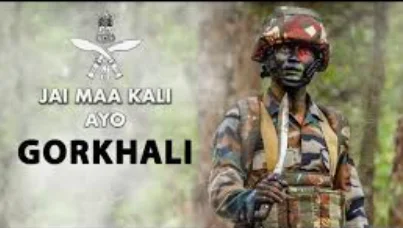
Indian Army: The Gorkha Regiment - Why Gorkha Regiment is Most Feared The Gorkha Regiment is a symbol of bravery, professionalism, and honour within t...
Indian Army: The Gorkha Regiment -

The Gorkha Regiment is a symbol of bravery, professionalism, and honour within the Indian Army. Its soldiers have a rich and proud legacy of service and continue to play a crucial role in India's defence.
Home / News & Blogs / Indian Army
The courage of not fearing death in the Gorkhas is truly evident from the statement of a fellow Gorkha, Field Marshal Sam Manekshaw. He once famously said “If a man says he is not afraid of dying, he is either lying or is a Gorkha.”
The Name Gorkha’s. The name “Gorkha” comes from the hill town of Gorkha from which the Nepalese kingdom had expanded.
Origins Impressed by the fighting qualities displayed by the Gorkhas during the Gurkha War, Britishers were quick to realise the potential of the Gorkhas in the British Indian Army. Until then, Gorkha defectors were generally used as irregular forces. On 24 April 1815, the first battalion of the Gorkha Regiment, was raised as the Nasiri regiment Later 1st Gorkha Rifles or Maluan Regiment
The Gorkhas took part in the Gurkha-Sikh War, the First and Second Anglo-Sikh Wars, Afghan wars,. By the time First World War started, there were 10 Gorkha (spelt Gurkha at the time) regiments in the British Indian Army. The Gorkha regiments played a major role as part of the British armies during both World Wars seeing action from Monte Cassino in the west Europe to Rangoon in the east, along with North African campaign and earning extensive battle honours.
Post independence of India
Following India's independence in 1947, India, Nepal and Great Britain signed a Tripartite Agreement wherein provision was made for 06 of the 10 Gorkha regiments in the British Indian Army to transfer to the new Indian Army. This agreement did not apply to Gurkhas employed in the Nepalese Army.
In 1949, the spelling of 'Gurkha' in the Indian Army was changed to the traditional 'Gorkha'. Upon India becoming a republic in 1950, all royal titles associated with the Indian Gorkha regiments were dropped.
Honours. Since independence, the Gorkhas have fought in every major campaign involving the Indian Army, and have been awarded numerous battle and theatre honours.
Major Dhan Singh Thapa - 1st Battalion, 8 Gorkha Rifles, won the Param Vir Chakra for his heroic actions during the 1962 Sino-Indian conflict.
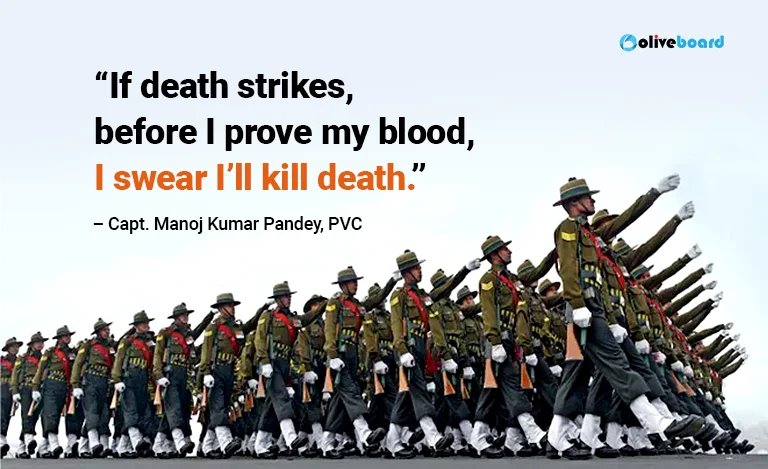
Lt. Manoj Kumar Pandey – 1st Battalion, 11th Gorkha Rifles, the Kargil War of 1999, was posthumously awarded the Param Vir Chakra for gallantry.
Current Regimental Strength. As of 2024, India has 39 Gorkha battalions serving in 7 Gorkha regiments. Six regiments were transferred from the British Indian Army, while one was formed after independence. The Indian Army's Gorkha regiments consist of approximately 34,000 soldiers, including both Nepali and Indian Gorkhas.
· 1 Gorkha Rifles – 6 battalions
· 3 Gorkha Rifles – 5 battalions
· 4 Gorkha Rifles – 5 battalions
· 5 Gorkha Rifles (Frontier Force)
· 8 Gorkha Rifles – 6 battalions
· 9 Gorkha Rifles – 5 battalions
· 11 Gorkha Rifles – 6 battalions (raised after the independence of India).
Regimental Centres. There are 4 Gorkha Training Centres
· 11 Gorkha Rifles Regimental Centre (11 GRRC) located in Lucknow, Uttar Pradesh
· 14 Gorkha Training Centre (14 GTC) located in Sabathu, Himachal Pradesh
· 39 Gorkha Training Centre (39 GTC) located in Varanasi, Uttar Pradesh
· 58 Gorkha Training Centre (58 GTC) located in Happy Valley, Shillong, Meghalaya
Gorkha Hat. The Gorkha hat is wide brimmed and comprises two layers of material. It is made of felt and is worn tilted. It was originally adopted prior to World War I for wear with the khaki drill service uniform of the time. The round "pill-box" cap worn with the traditional rifle-green dress uniform of Gorkha regiments was retained after 1947 for off-duty use.
Why Gorkha Soldiers are Feared Most.
Exceptional Warriors-- Ferocious Combat Skills. Gurkhas are trained to be exceptional warriors from a young age. They undergo rigorous training that focuses on physical fitness, combat techniques, and mental discipline. They are known for their proficiency in close-quarter combat, knife fighting, and hand-to-hand combat, which makes them formidable opponents on the battlefield.
Indomitable Spirit. Gurkhas are known for their unwavering bravery, loyalty, and resilience.. They are willing to fight against overwhelming odds and are renowned for their ability to hold their ground, even in the face of adversity. This unwavering determination and never-give-up attitude contribute to their fearsome reputation.
Fearless Reputation. The Gurkhas’ reputation for bravery and combat skills has been built over centuries of military service. Their valour and exceptional performance in various conflicts have solidified their reputation as fearsome warriors.
Gurkha Khukuri. The Gurkha traditional weapon, known as the khukuri, is a distinctive curved knife that is an integral part of their culture and military heritage. The khukuri is not only a versatile tool but also a symbol of Gurkha identity. Its effectiveness in combat, coupled with the Gurkhas’ proficiency in using it, adds to their fearsome image.
Rigorous Selection Process. Gurkhas undergo a rigorous selection process, both physically and mentally. Only a small percentage of applicants are selected, ensuring that only the most capable and dedicated individuals become Gurkha soldiers.
Loyal and Disciplined. Gurkhas have a strong sense of loyalty to their comrades and superiors. They follow a strict code of discipline and honour. Their loyalty and discipline make them reliable and effective soldiers, further adding to their fearsome reputation.
Regiment Motto. The Gorkha Regiment's motto is "Kafar Hunu Bhanda Marnu Ramro," which translates to "It is better to die than to live like a coward". This motto reflects the Gorkha's reputation for bravery and unwavering courage.

The Gorkhas ….. The Short Men with Long Knives.
Jai Hind